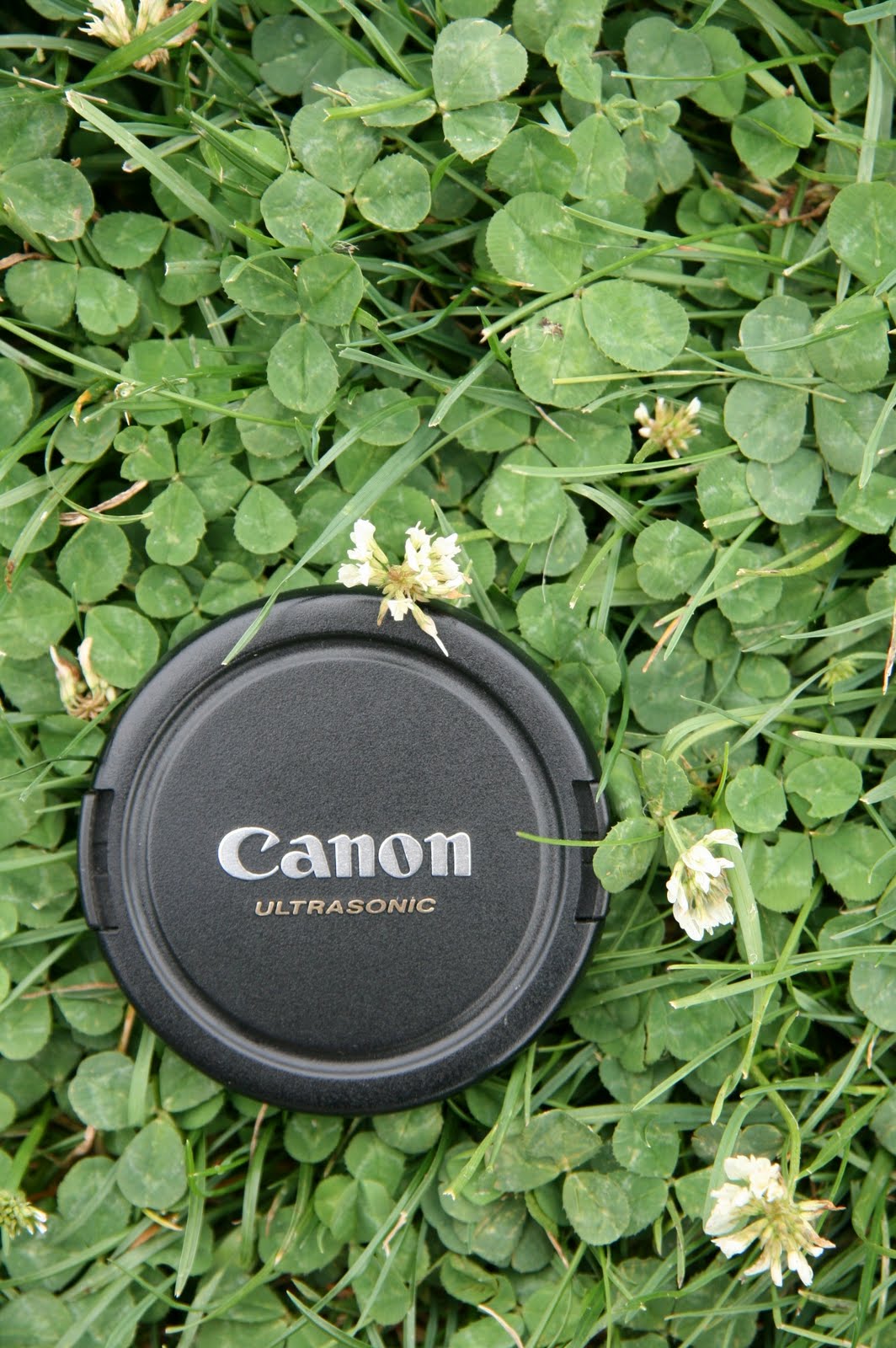
Late fall is the best time to treat broadleaf weeds as the herbicide is more effectively translocated to the roots. We will treat both courses with herbicide sometime after Labor Day to eradicate the clover. Until then, know that we've got it scheduled as soon as the timing permits.
Showing posts with label Weeds. Show all posts
Monday, July 28, 2014
Clover
Late fall is the best time to treat broadleaf weeds as the herbicide is more effectively translocated to the roots. We will treat both courses with herbicide sometime after Labor Day to eradicate the clover. Until then, know that we've got it scheduled as soon as the timing permits.
Labels:
Weeds
Thursday, April 26, 2012
Herbicides: Spring vs. Fall
Most of us want to kill weeds like dandelions when they are most visible: in the spring. Spring flowering weeds are visible because ... they are flowering. That tells us that the plant is in a reproductive cycle, using available energy to produce flowers and seeds for new plants.
Most of the flow of water and food within the plant goes upward to sustain the production of these flowers. So it follows then, that a larger percentage of the herbicide we apply in the spring also goes upward and not down to the root. That's why the flower head wilts long before any leaves show signs of damage.
It is much more efficient to apply broadleaf herbicides in the fall, when the plant is translocating water and nutrients (along with the herbicide) down to the root system in order to get ready for a long dormant season. This is particularly relevant for perennial weeds like dandelions.
While we do make some herbicide applications in the spring, it is mostly cosmetic. Our most efficient use of resources is to make these applications in October, when we get a much better "kill ratio" on perennial weeds by attacking the root systems.
Labels:
Agronomy 101,
Weeds
Monday, April 16, 2012
Windy Day
The large Silver Maple left of #5 fairway (just over the bridge) succumbed to the high winds today. Because of it's hazardous condition, we are having it removed as quickly as possible. Silver Maples are composed of week interior wood and this tree was at the limit of its life span.
Once removed, we should see an improvement in the turf at the exit to the bridge. Maples have a dense and shallow root system that make it hard for turf to compete for water. Trees like Silver Maples, should not be planted adjacent to in play areas.
![]() |
| Arrows show fissured trunk |
![]() |
| Heart rot |
Thursday, May 5, 2011
Crabgrass
Crabgrass is an annual weed and therefore reproduces by seed. The best way to control crabgrass is with a preemergent herbicide. Once crabgrass gets established, it is very hard to control with post emergent herbicides.
What about the timing of preemergent herbicides? In SE Michigan, we are right in the middle of the window to get effective control with preemergent herbicides. Soil temperatures of 50-60 degrees F are optimal for germination and that usually occurs in April. Your lawn care company has no doubt been out already or at least they have sent out a reminder.
Once the herbicide has been applied (in most cases it is impregnated on a fertilizer carrier) it should be irrigated, at least enough to get it in contact with the soil surface. You should not aerate after application as this breaks the barrier that is formed by the herbicide.
Another method to control crabgrass ... or any other weed, is to promote a healthy and dense lawn so that the grass is more competitive. You can do this by having a reasonable mowing height, like 2.5 - 3 inches and fertilizing at an annual rate of 2-3 pounds of Nitrogen/1,000 square feet. These Nitrogen applications should be avoided during the summer months and saved for September through November. Spring applications are OK, but no more than 1/3 of the total annual Nitrogen used should be applied in the spring.
If you do see crabgrass mid-summer or later, my advice is to leave it. It will die with the first solid frost and then you can control any new plants the following spring.
What about the timing of preemergent herbicides? In SE Michigan, we are right in the middle of the window to get effective control with preemergent herbicides. Soil temperatures of 50-60 degrees F are optimal for germination and that usually occurs in April. Your lawn care company has no doubt been out already or at least they have sent out a reminder.
Once the herbicide has been applied (in most cases it is impregnated on a fertilizer carrier) it should be irrigated, at least enough to get it in contact with the soil surface. You should not aerate after application as this breaks the barrier that is formed by the herbicide.
Another method to control crabgrass ... or any other weed, is to promote a healthy and dense lawn so that the grass is more competitive. You can do this by having a reasonable mowing height, like 2.5 - 3 inches and fertilizing at an annual rate of 2-3 pounds of Nitrogen/1,000 square feet. These Nitrogen applications should be avoided during the summer months and saved for September through November. Spring applications are OK, but no more than 1/3 of the total annual Nitrogen used should be applied in the spring.
If you do see crabgrass mid-summer or later, my advice is to leave it. It will die with the first solid frost and then you can control any new plants the following spring.
Labels:
Weeds
Thursday, December 2, 2010
Poison Ivy

We can find poison ivy on the golf course, usually along the fenceline.
Direct contact is needed to release urusiol oil. Stay away from forest fires, direct burning, or anything else that can cause the oil to become airborne such as a lawnmower, trimmer, etc.
Urushiol begins to penetrate the skin in minutes, but the rash usually takes time to appear. Typically, 12 to 72 hours pass before the person experiences severe itching, redness, and swelling, followed by small or large blisters. When the rash develops after a plant touches the skin, streaks or lines often reveal where the plant brushed against the skin. The rash can appear on any part of the body. It might seem to spread, but this is a delayed reaction. The rash does not spread and is not contagious.
Labels:
Weeds
Thursday, June 17, 2010
Clover
White clover is a shallow rooted perennial legume ... and you may have noticed it on both golf courses.
White clover flowers are visible in summer and it often appears that clover is taking over. As a nitrogen-producing legume, (legumes like peas, can "fix" nitrogen directly from the atmosphere or soil, meaning it can convert nitrogen into ammonia) clover proliferates on golf courses that are on a low Nitrogen regime.
Regular fertilization, especially fall nitrogen applications can help reduce clover by making the surrounding turf healthier and more competitive.
Herbicides with 2, 4-D, dicamba and MCPP provide good control and are most effective against clover when applied in the fall.
As always, healthy turf is the best preventive measure against weeds like clover.
Labels:
Weeds
Subscribe to:
Posts (Atom)