Fine Turgrass Management

Fine Turgrass Management

Steve Cook, CGCS, MG - Director of Agronomy

Showing posts with label Astronomy related. Show all posts

Thursday, December 19, 2013

Thank You!

Another great year now ending. In fact, the shortest day of the year is Saturday, December 21st, the December Solstice. The North Pole is tilted furthest away from the sun on this date. After this weekend, the days get longer.
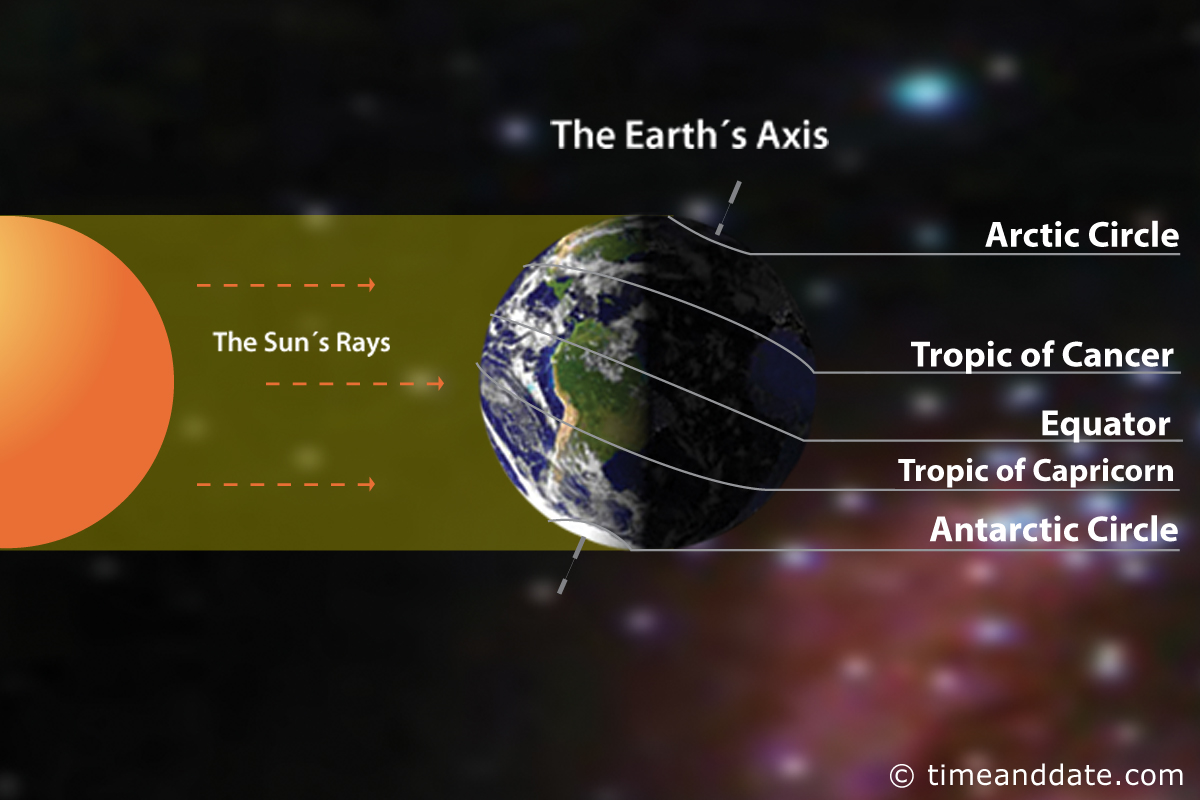
Solstice in December

And thank you to all of the staff heroes who often go unmentioned. Who show up each day ... and do their job each day, to the best of their ability. Nothing great is achieved without great people doing the work. We're ... I, am blessed to have a wonderfully diverse and committed team that makes every day a pleasure.

Thank you to the Turf Care Team for 2013 and for an even better 2014.

Wednesday, March 20, 2013

Vernal Equinox

The first day of Spring? Really?

Today at approximately 7:00 am the sun was directly over the equator, providing approximately equal hours of daylight and darkness. Equinox means "equal night" in Latin. Today, the sun is rising due east and setting due west. In the Southern Hemisphere it's the Autumnal Equinox as their days will begin to get shorter, ours in the Northern Hemisphere will begin to get longer.

Why do we have seasons? Because the earths axis tilts at 23.4 degrees. If the earth were perpendicular, their would be no changes in season.

Illustration image

Monday, September 24, 2012

12 Hours of Sunlight

The following is taken from a great website:  www.timeanddate.com


On the equinox, night and day are nearly exactly the same length – 12 hours – all over the world. This is the reason it's called an "equinox", derived from Latin, meaning "equal night.

The September equinox occurs the moment the sun crosses the celestial equator – the imaginary line in the sky above the Earth’s equator – from north to south.

This happens either on September 22, 23, or 24 every year. On any other day of the year, the Earth's axis tilts a little away from or towards the Sun. But on the two equinoxes, the Earth's axis tilts neither away from nor towards the Sun.

Wednesday, June 20, 2012

June Solstice 7:08 PM EDT

The summer solstice is also named the June solstice, the first day of summer and the day with the most daylight for those of us living north of the equator. At this point in the year, the sun is directly over the Tropic of Cancer and is at its furthest point from the equator. This date is also known as the winter solstice in the southern hemisphere. After today at 7:08 PM EDT, the days slowly start getting shorter.

The June Solstice is explained very well at the following link:

http://www.timeanddate.com/calendar/june-solstice.html


Illustration image